In cities where trust has been broken, recovery doesn’t begin with roads, budgets, or carbon plans. It begins with people, with fractured relationships, fragile institutions, and forgotten neighbourhoods learning how to build trust again. And yet, when post-conflict cities are talked about in global urban policy debates, they’re often reduced to their technical needs: infrastructure, climate adaptation, resilience metrics.
At Mímesis, we believe that urban sustainability in post-conflict settings must start with civic repair. It must acknowledge trauma, activate memory, and put participation at the centre. That’s what we’ve learned through our recent work in Bogotá, Medellín and overseas, and it’s why we think urban climate action needs to be reimagined as a process of collective healing.This article shares three core insights from our research into urban governance in post-conflict cities like Medellín, Bogotá, Belfast, and Budapest. These insights are not technical findings, they’re field reflections. We offer them as a call to collaborate, share practices, and support more caring, inclusive urban governance.
Rebuilding from trust OR Trust is the infrastructure
In the surge for climate resilience and sustainability there is often an element that is overlooked, but it may be essential: participation and community governance. For cities scarred by conflict and division, technical blueprints for green infrastructure or decarbonization are insufficient if they are imposed upon a fractured civic landscape. In other words, lasting sustainability cannot be built on the foundations of historical injustice, marginalization, and inexisting trust in governments and institutions. In post-conflict settings, climate action must be, first and foremost, a project of restoring civic trust and communal fabric through genuine participatory governance.
This insight, while critical for cities emerging from violence, holds a universal truth for any community-focused sustainability (endeavor) initiative. Evidence from beyond the urban context underscores this. (Consider) For instance, research on Payments for Environmental Services (PES) in the communal páramos of Ecuador (Hayes, T., Murtinho, F., & Wolff, H. (2017). While the financial mechanism delivered measurable ecological benefits, its success was ultimately dictated by the community’s own social fabric. The highest outcomes were not found where payments were largest, but where traditions of collective assembly and shared work were strongest. The external incentive worked only because of the preexisting community governance. Therefore, this must be one of the first objectives in any project regarding sustainability: reconstruct community governance and trust.
For cities like Medellín and Bogotá, where urban space itself is scarred with memories of violence and exclusion, this principle is of utmost importance. Here, a top-down climate strategy risks replicating the very dynamics of imposition it seeks to overcome. Sustainability, in this context, becomes a process that must embody dignity, memory, and collective agency, instead of the usual technology-based approaches. A solar micro-grid or a neighbourhood park is never merely an infrastructure project; it is a powerful symbol. It answers silent questions: Whose voice matters here? Whose history is acknowledged? Who holds a legitimate stake in the future we are building?
Consequently, participatory approaches are not ornamental “add-ons” to urban climate policy. They are its essential core, that is, the practical mechanism for healing fractured communities and ensuring interventions are genuinely sustained. When municipalities institutionalize localized co-governance, either through participatory budgeting cycles, neighbourhood councils, or micro-grant mechanisms, they do more than allocate resources, they perform a powerful act of political recognition. They create platforms where youth, women, and historically marginalized groups transition from passive beneficiaries to active co-architects of their urban future.
Echo Case: Budapest
Budapest’s Ferencváros district pioneered green courtyards where community tenants co-managed micro-forests and compost systems. Targeted at heat-vulnerable and low-income areas, the project emphasised democratic access to urban ecology.
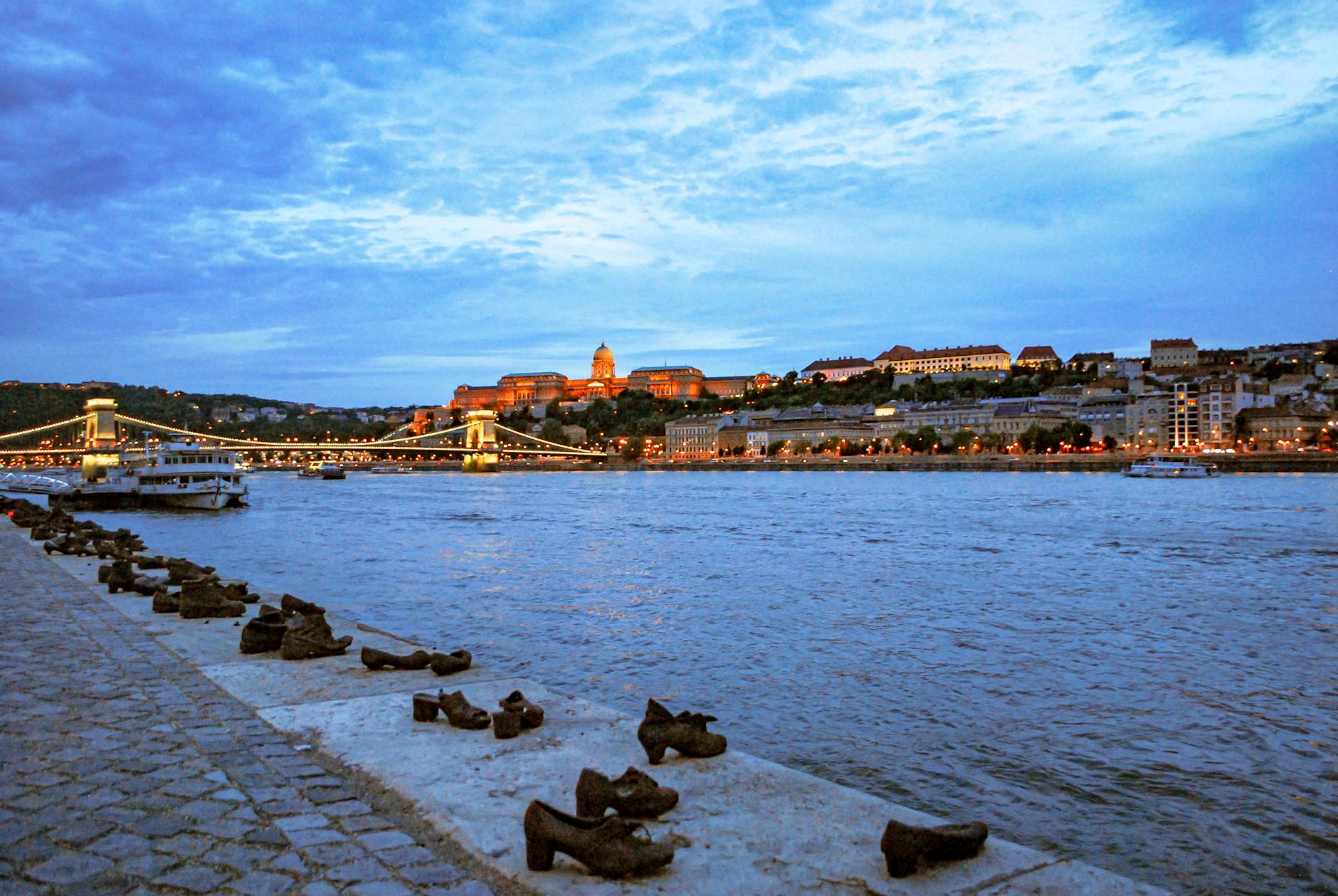
Resilience is not just physical, it’s emotional
For all the talk of “urban resilience,” much of it remains focused on infrastructure: flood defences, transit systems, heat maps and so on. But what about emotional safety? What about spaces that help people feel secure, seen, and dignified?
This is where trauma-aware urban planning becomes essential. In Medellín’s Comuna 13, where violence once dominated the hillsides, planners worked with communities to build mobility corridors, not just to move people, but to change what public space meant. One of them told us:
“Beauty has become our peace strategy”
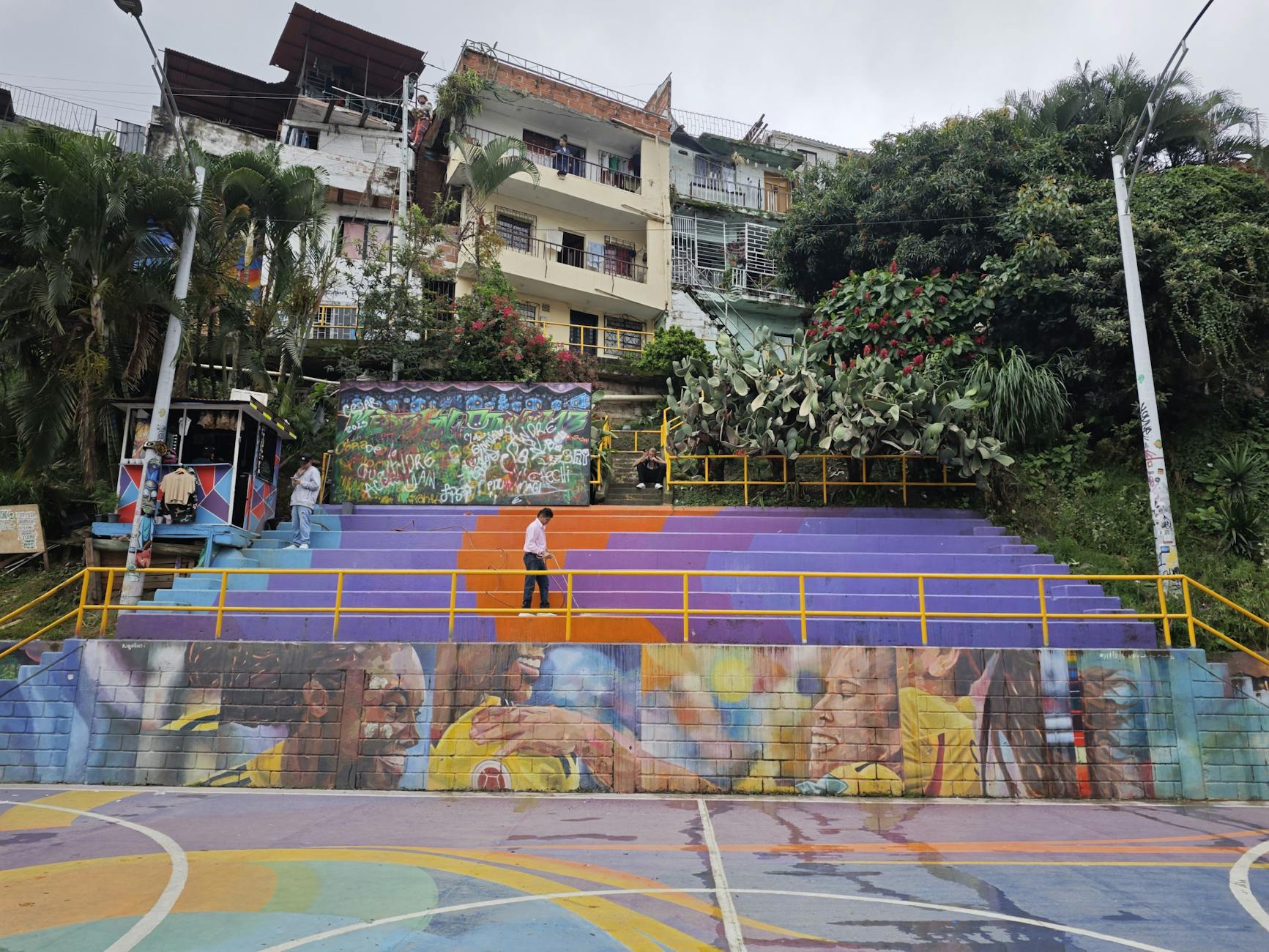
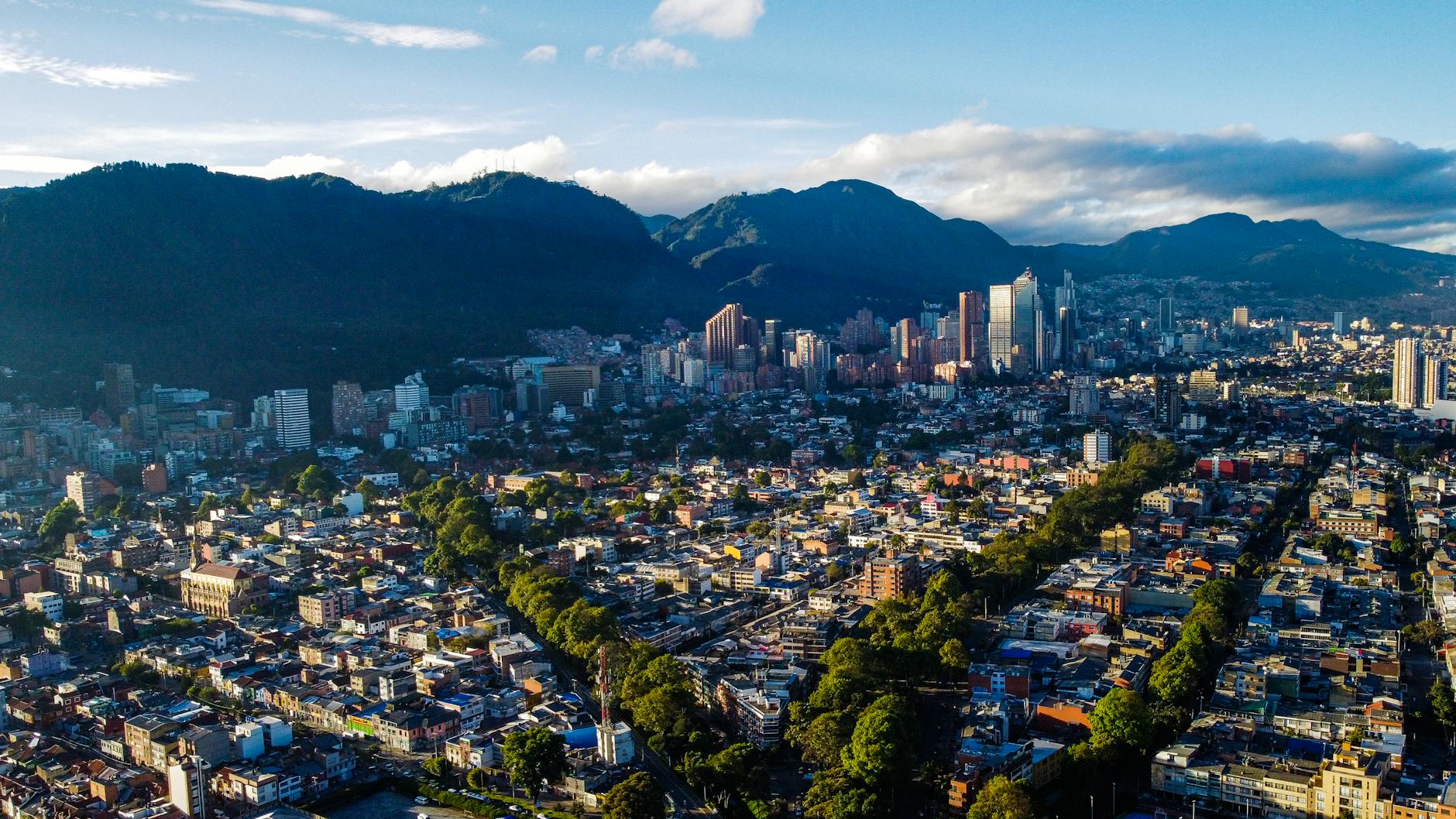
In Bogotá, the city has embedded trauma-sensitivity into parks, libraries, and cultural centres, redesigning community spaces with calming design elements, youth-led programming, and psychological and social support. These spaces can become foundations for everyday wellbeing, not only through the services they offer, but through the trust, inclusion, and dignity they represent.
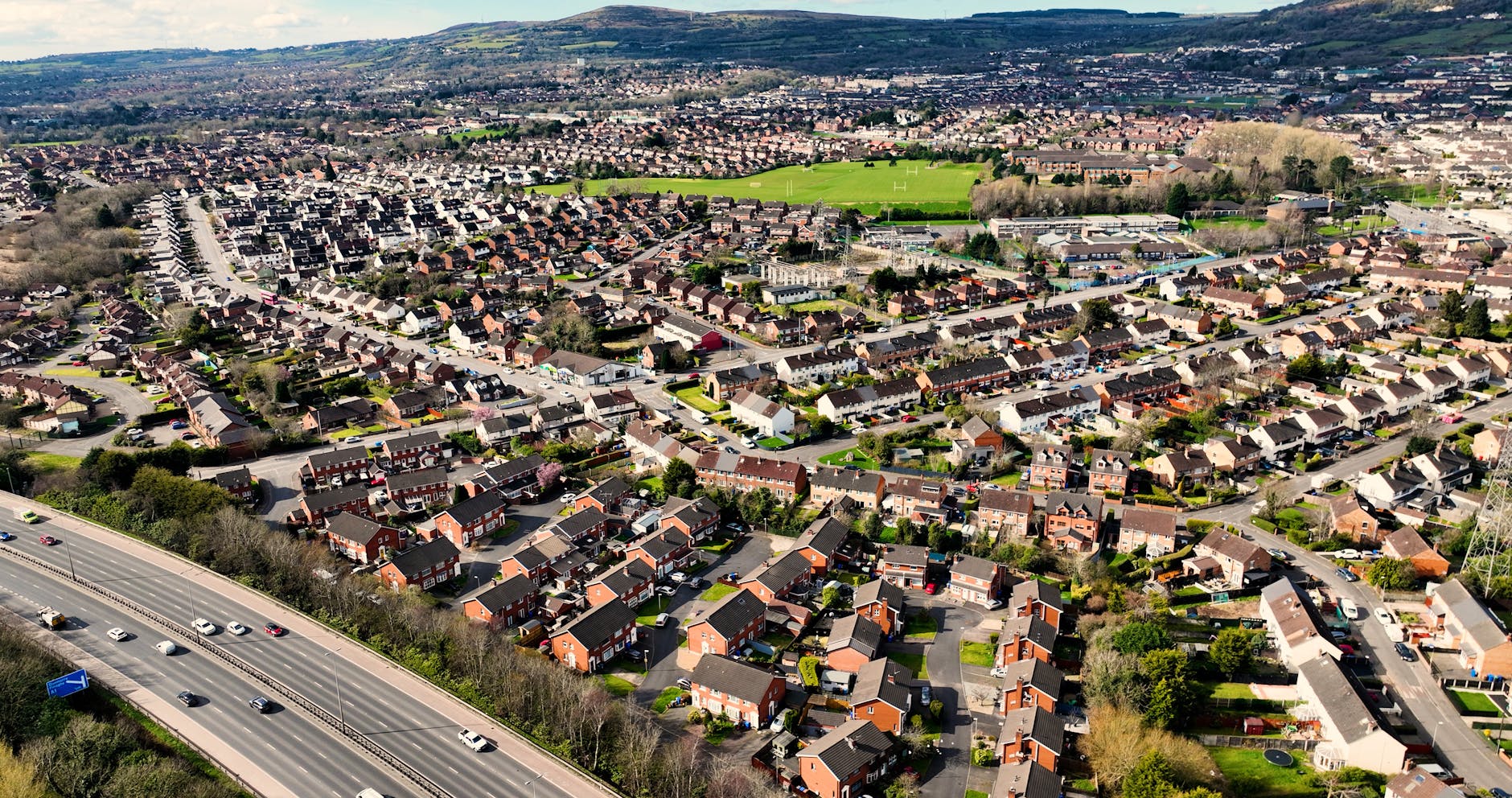
Similarly, in Belfast, the Urban Villages programme applies trauma-informed design principles by creating shared spaces that avoid overt symbolism and emphasise permeability for cross-community interaction. These spaces are often paired with mental health partnerships and reflective public art, designed in collaboration with local youth.
We believe that public space must be seen as a site of emotional recovery. Resilience without emotional healing risks being surface-level. But when cities design with care, they invite people back into the urban fabric as protagonists, not just survivors.
Scholars such as Karen Till (2012) have described this as a “place-based ethics of care,” where wounded cities must heal through public space and collective memory. That’s exactly what we’ve seen in practice. When residents are offered not just protection but dignity, trust and connection start to return.
Designing for climate adaptation is necessary, but designing for emotional recovery is transformative. It’s how cities move from survival to healing.
Spaces that remember
Too often, cultural policy is seen as secondary, something decorative that happens after the “real work” of recovery is done. But in post-conflict cities, culture is not a luxury. It’s part of the infrastructure of repair.
In Bogotá and Medellín, we saw how cultural-symbolic anchoring – the emotional reclaiming of places – can turn neglected spaces into sites of pride. Murals, community gardens, and neighbourhood storytelling festivals gave residents new ways to see themselves and be seen.
One Bogotá official captured the challenge bluntly:
“If cultural policy is not anchored in the neighbourhoods, it becomes ornamental rather than transformative.”
The transformative potential lies in how memory and place interact. A community garden is not just about food, it’s about reclaiming a space once marked by fear. A small museum doesn’t just preserve stories, it reconnects fractured civic identity.
If we want cities to be sustainable, they must also be meaningful. Dignity is not just a value, it’s a material condition. It’s not just a legacy, dignity is renewed daily in the benches, murals, and shared spaces people create and protect together
A shared direction forward
As cities confront the intertwined challenges of climate change, inequality, and post-conflict recovery, we believe sustainability must be grounded in trust, memory, and collective agency. Far from being abstract ideals, these are the building blocks of resilient, inclusive, and just urban futures.
Through our work in Colombia and beyond, we’ve seen how urban sustainability is inseparable from emotional repair, local participation, and shared authorship of space. But we know we’re just one part of a larger community asking similar questions.
This article is not a summary of a finished work. It’s an invitation into an ongoing conversation, one that spans peacebuilding, urban governance, cultural memory, and sustainability. If these are questions you’re also asking, we hope this piece resonates, and adds something useful to your own practice.
We invite others to share, adapt, and expand on these ideas in their own cities and contexts.


0 Comentarios